What Is a Micro Market? The Modern Break Room Solution for 2026
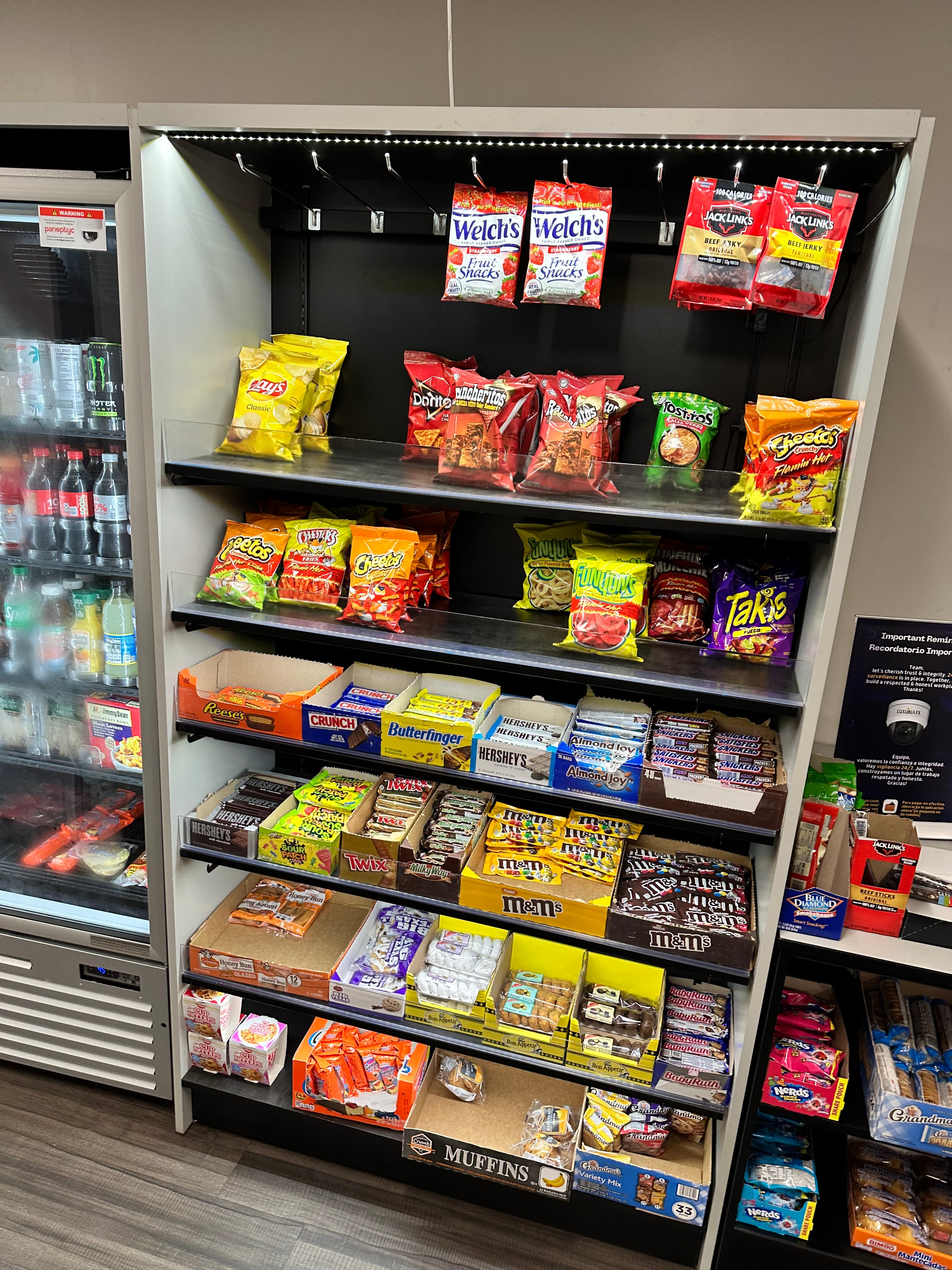
A micro market is a small, unattended retail space installed inside a workplace - think of it as a mini convenience store in your break room. Instead of vending machines with limited selections behind glass, employees browse open shelves and coolers stocked with snacks, beverages, fresh meals, and healthy options, then pay at a self-checkout kiosk using a credit card, Apple Pay, or company badge.
Micro markets have become the fastest-growing segment in the workplace refreshment industry, growing at over 10% annually. They're now found in offices, distribution centers, hospitals, universities, and apartment complexes across the country.
How Does a Micro Market Work?
The concept is simple. A vending service provider installs open shelving units, glass-door coolers, and a self-checkout kiosk in your break room or common area. The space typically requires 100 to 200 square feet, though compact setups can work in as little as 50 square feet.
Employees walk up, grab what they want from the shelves or coolers, scan items at the kiosk, and pay with a tap or swipe. The entire process takes about 30 seconds - faster than most vending machines and far more pleasant.
The service provider manages everything: purchasing products, stocking shelves, rotating inventory, cleaning the space, and maintaining the equipment. AI-powered cameras and sensors track inventory in real time, so the operator knows exactly what's selling and what needs restocking before items run out.
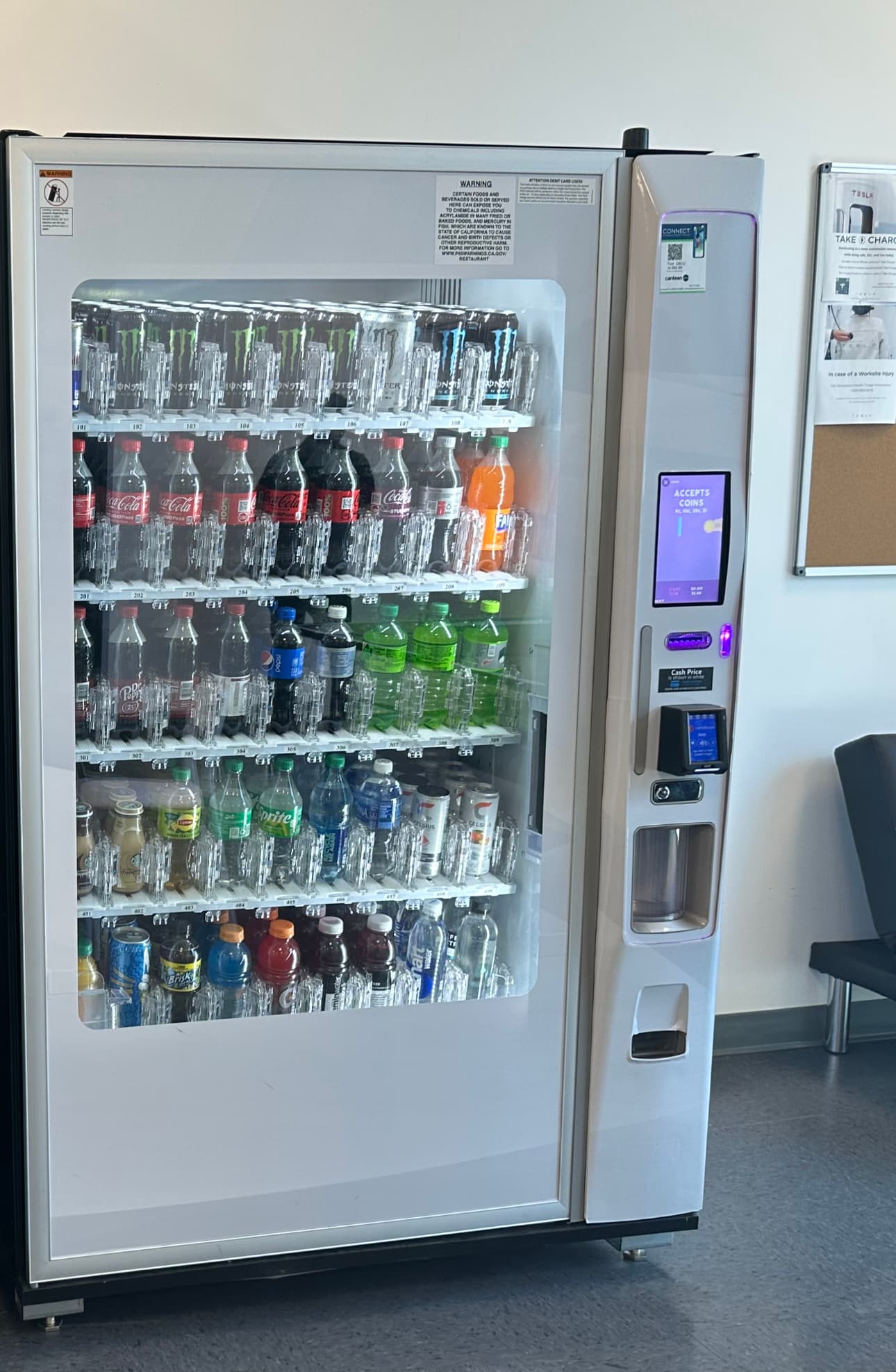
What's the Difference Between a Micro Market and a Vending Machine?
The differences are significant:
**Product selection:** A typical vending machine holds 30 to 40 items. A micro market can offer 200 to 500 different products - fresh sandwiches, salads, yogurt, fruit, hot meals, protein bars, chips, candy, drinks, and even personal care items.
**Shopping experience:** Vending machines force you to look through glass and press buttons. Micro markets let you pick up products, read nutrition labels, and make informed choices - just like a real store.
**Fresh food:** Vending machines struggle with perishable items. Micro markets have proper refrigeration for fresh salads, wraps, fruit cups, and prepared meals that are restocked daily.
**Payment options:** Modern micro markets accept every payment method - Apple Pay, Google Pay, credit cards, debit cards, and even company subsidized accounts. No more scrambling for exact change.
**Customization:** Product mix can be adjusted based on actual sales data. If your team loves protein bars but ignores the granola, the operator swaps products to match demand.
How Much Does It Cost to Install a Micro Market?
For the location partner, the cost is typically zero. Full-service micro market providers like LuxuriaFX Vending cover all costs: equipment, installation, products, restocking, maintenance, and technology. The provider earns revenue from product sales.
The total investment for the provider to build out a micro market ranges from $15,000 to $50,000 depending on the size and configuration, but this is the provider's investment - not yours. You provide the space and electricity.
Some locations receive a monthly commission based on sales volume, though this varies by provider and location size. The primary value for most locations isn't the commission - it's offering employees a premium amenity that boosts satisfaction and retention.
Who Benefits Most from a Micro Market?
Micro markets work best in locations with 50 or more people on-site daily. The sweet spot is 75 to 500 employees. Here are the types of facilities that see the best results:
- Corporate offices - Employees love having fresh lunch options without leaving the building
- Distribution centers and warehouses - Workers on shift need quick access to food and drinks
- Hospitals and medical facilities - Staff working odd hours need 24/7 food access
- Universities and colleges - Students want variety beyond traditional cafeteria food
- Apartment complexes - Premium amenity that attracts and retains residents
- Manufacturing plants - Convenient food options for workers during short breaks
Why Are Businesses Replacing Vending Machines with Micro Markets?
The shift is driven by employee expectations. Today's workforce expects the same convenience at work that they get everywhere else - quality food, modern payment options, and a pleasant experience. Traditional vending machines feel outdated by comparison.
Companies that install micro markets consistently report higher employee satisfaction scores around break room amenities. Facility managers appreciate that the operator handles everything - no managing vendors, no restocking, no dealing with broken machines.
The technology has also made micro markets more practical than ever. AI-powered inventory tracking means products rarely run out. Computer vision checkout eliminates the need for barcodes on every item. Real-time sales dashboards let operators optimize product mix continuously.
Micro Markets in Southern California
LuxuriaFX Vending installs and manages micro markets across the Inland Empire, Los Angeles, and Orange County. With over 20 years of industry experience and 50+ locations served, we know how to build a micro market that your people will actually use.
Every installation is customized to your space, your team's preferences, and your facility's needs. We handle everything from the initial site assessment to ongoing daily management.
Frequently Asked Questions
What is a micro market and how does it work?
A micro market is an unattended, self-checkout convenience store inside your workplace. Employees browse open shelves and coolers for snacks, drinks, and fresh food, then pay at a self-checkout kiosk with a card or mobile payment. The vending service provider manages all stocking, maintenance, and operations.
How much does it cost to install a micro market?
For the location partner, the cost is typically zero. Full-service providers cover all equipment, installation, products, and maintenance. The provider invests $15,000-$50,000 and earns revenue from product sales.
What's the difference between a micro market and a vending machine?
Micro markets offer 200-500 products (vs 30-40 in vending machines), including fresh food and meals. They feature open shelves for browsing, modern self-checkout kiosks, and accept all payment methods. The shopping experience is like a mini convenience store rather than pressing buttons behind glass.
Ready to Upgrade Your Break Room?
Schedule a free site assessment. We'll evaluate your space and show you exactly what's possible - no obligation.